Women & Cardiovascular Disease


Below is a link to audio pitch on cardiovascular disease risk factors and prevention.
Below is a link to my infographic on heart disease in women.
https://infograph.venngage.com/ps/vYjy4bBu564/women-and-cvd
Women & Cardiovascular Disease: Why Gender Really Matters
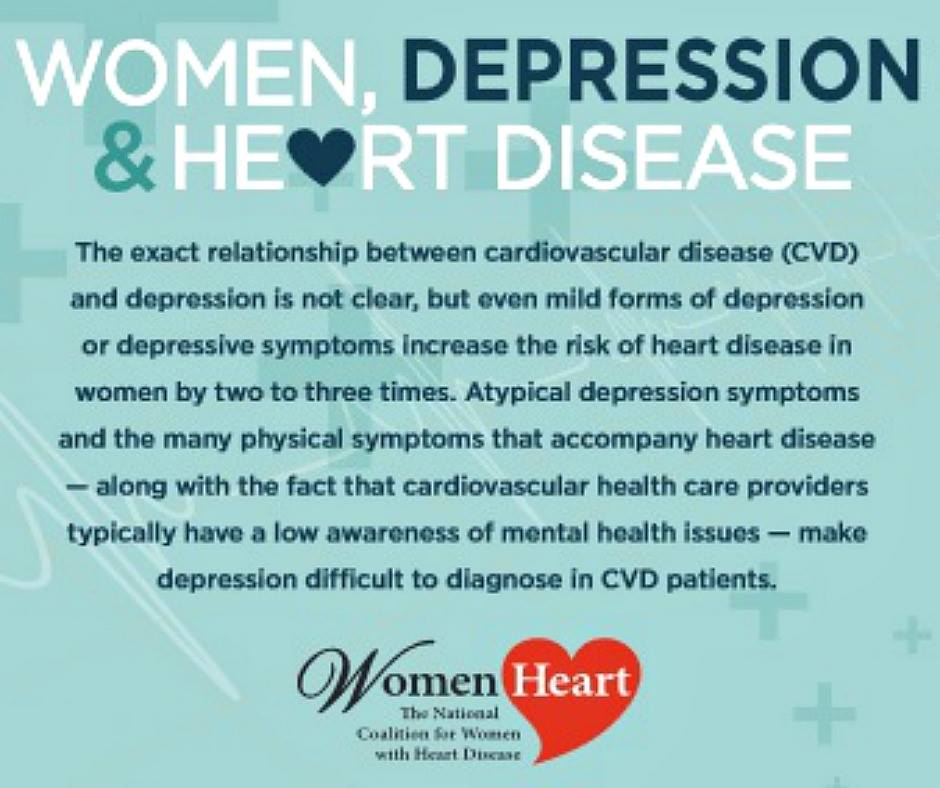
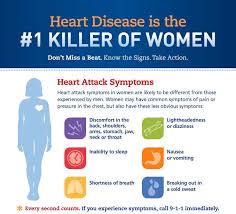
In recent years we are seeing more and more information in the media about cardiovascular disease in women but do most women know that they may be at risk of a heart attack or even a stroke? Although heart disease is historically seen as a man’s health problem the reality is that as many women die of cardiovascular disease every year as men. Ask any woman what concerns does she have for her health as she ages and women will say things like ‘’I could get breast cancer after the menopause’’ or ‘’I could develop diabetes if I don’t improve my diet’’. Yet according to the World Heart Federation women are 7 times more likely to die from cardiovascular disease than breast cancer and 3 times more likely to die following a heart attack than a man. The WHO says that the symptoms of a heart attack in women usually include nausea, vomiting, back or jaw pain and shortness of breath. Studies have also found that women rarely report symptoms like chest pain or discomfort and are quick to dismiss symptoms assuming it is something else. To add to these concerning factors when women do report symptoms to their GP they are often misdiagnosed because they are offered different diagnostic tests than men. Moreover, following a diagnosis they are given different medical treatments than men which would suggest that there is a gender disparity in the treatment of cardiovascular disease in women. The Silent Killer It is not really surprising that women are at risk of dying after a heart attack because the nature of the symptoms of cardiovascular disease in women are so different from their male counterparts. Another worrying factor is that a health issue may have been developing over a long period so that by the time a woman has a heart attack the damage is well and truly done. In addition, risks factors for women such as menopause, in particular, create a ‘perfect storm’ for cardiovascular disease. According to Jeremy Pearson from the British Heart Foundation recent studies found that women are just not receiving the same proven medical treatments following a heart attack as men. In Sweden a national cohort study found that when both genders were given the same medical treatment for heart disease and heart attacks the ‘gap in mortality’ was greatly decreased. From this information we may conclude that the provision of equal treatment for women in the case of cardiovascular disease is paramount otherwise more and more women will lose their lives every year and families will lose their mums, sisters, aunts and grandmothers. This is very sad as many deaths are completely preventable.
Domestic Violence & Coercive Control
Something I have always loved since I was teenager is listening to the radio and I guess because of this I get a lot of health information from radio shows. I recently listened to an interesting show on TodayFM on domestic violence and one of the guest speakers was Helen Walmsley-Johnson, the author of ‘’Look What You Made Me Do’’, a personal memoir about coercive control in a relationship. She was also a speaker at the recent Safe Ireland Safe World summit in the mansion house in Dublin where meaningful solutions to support women and children experiencing violence were explored. Helen talked about ‘coercive control’ and how it is nearly always the foundation for domestic abuse. She detailed how ‘coercive control’ is difficult to understand but that it is important to recognise this form of abuse because it often leads to other forms of abuse such as sexual violence, physical violence and sometimes even the death of a victim. Coercive control is a form of psychological abuse and has been referred to as ‘psychological warfare’ or ‘psychological torture’ in the relationship by victims. On its own coercive control is very damaging and instils fear and distress in victims who are usually in an intimate relationship with their abuser. According to Women’s Aid coercive control is ‘an act or a pattern of acts of assault, threats, humiliation and intimidation or other abuse that is used to harm, punish, or frighten their victim’. This controlling behaviour is designed to isolate, exploit and deprive a person of their independence so that they don’t have the support of others. The person’s life is ruled by the abuser and victims have said that it felt like being a hostage. https://www.womensaid.ie/help/coercive-control.html Domestic Violence Act 2019 Helen Walmsley-Johnson, a survivor of domestic abuse, said that 90% of domestic abuse cases include coercive control. This is very alarming and thankfully new legislation was passed in Ireland in February 2019 making coercive control a criminal offence. Charlie Flanagan, Minister for Justice and Equality, said that for too long domestic violence has been viewed as physical violence only and that it was time to recognise that some forms of abuse are non-violent. New measures also included in the legislation recognise an intimate relationship as an ‘aggravating factor’ in domestic abuse. The new domestic violence act recognises that while coercive control may remain non-violent and not progress to physical or sexual violence it can be equally damaging to victims and it also gives victims greater protection and support. Now if a woman or a man reports non-violent abuse to the gardai it must be taken seriously, particularly if there is a pattern of control, and gardai are receiving training to learn how to deal with domestic abuse cases where there is coercive control.
Toxic Masculinity and Suicide

Male suicide is the single biggest killer of men under the age of 45. When you take a moment to let that sink in it is really very shocking and frightening. According to CALM a gender based male suicide prevention charity in the UK 18 men die every day by suicide and 41% of men who have contemplated suicide have never told anybody. They have never been to a doctor about their mental health concerns and have never opened up to a partner, friend or family member. According to AWARE 1 in 10 people suffer from depression at some time in their lives regardless of gender, age or background. Studies show that 450,000 people in Ireland are suffering from depression and approximately half of these are men. While women and men suffer equally men are more likely to complete a suicide because men cope with mental health issues in different ways. It goes without saying that men find it difficult to talk about their feelings and there appears to be a lot of silence, secrecy and shame surrounding the mental health of men. Men keep quiet about their mental health issues because they are embarrassed, they don’t want to make a fuss and they tend to suppress negative feelings because they believe that a man should be strong, brave and able to handle everything. Why is it surprising then that men are taking their own lives? Because these are very powerful messages that men have been receiving since birth and are perpetuated throughout their lives personally and socially and are particularly evident in sport and in the media. The American Psychological Association says that the stereotypical ‘masculine traits’ of strength, bravery and stoicism are inextricably linked with depression and substance abuse. In addition, a study conducted in a university in Indiana found that men who conformed most to masculine norms tended to have poorer mental health and were less likely to avail of psychological help. A social media website called LadBible that I follow on Instagram has recently launched an excellent campaign called ‘’Are You Ok M8?’’ that comprises of a series of articles, films and illustrations aimed at promoting mental health awareness. A lot of the films are particularly good and tackle issues for men. The aim of the campaign is to get men to ‘open up’ and talk about their mental health. The participants are usually two men sitting at a table chatting about a condition or an issue that they both have and they talk about their experiences and how their lives have been affected. They are extremely honest and open and at the end they thank each other for the conversation. This is a great way to engage with other men and to enable men to spark a conversation with someone in their own lives. They may also realise that they are not alone, that there is help and support out there and that it is ok to not be ok. https://www.ladbible.com/uokm8
https://www.ladbible.com/mental-health-historical/interesting-living-with-schizophrenia-20190929
 Clare's Blog